Thinking about selling your Carteret home in the next year? In today’s online-first market, the right prep and pricing can add thousands to your bottom line. You want a clear picture of value, a smart plan for showings, and no surprises with costs or local paperwork. This guide gives you current pricing context, proven prep tips, required forms, and a simple timeline to list with confidence. Let’s dive in.
Carteret market snapshot and timing
Portal snapshots show a tight price band in Carteret right now. Recent reports place a typical home value near $540,273, with median sale prices around $525,000 to $549,999 depending on the source and time window. One snapshot shows a median days on market near 104 days. Numbers vary because each portal uses different data and cutoffs, so treat these as context, not a price for your home.
For your property, the only reliable way to set a list price is a local CMA based on recent Carteret closings and nearby competing listings. Many buyers shop across town lines, so expect comps to include similar homes in Middlesex County communities like Woodbridge and Perth Amboy. A recent price-per-square-foot datapoint sits around $358 per square foot, but adjustments for condition, layout, and lot size matter more for your final number. If you plan to list soon, ask for a CMA updated within two weeks of going live.
Seasonally, spring often brings more buyer traffic. Today, mortgage rates and local inventory can matter more than the calendar. Keep an eye on days on market and absorption in the weeks before you list, and time your go-live for when competing inventory is low and buyer activity is steady.
Price it right with local comps
Start with a Carteret-specific CMA that includes active, pending, and sold listings within the most recent 60 to 90 days. Look closely at the most similar homes by size, bed/bath count, year built, and updates. If your home is unique, widen the radius to nearby Middlesex submarkets where buyers also search.
Use price bands to your advantage. Buyers often filter in round-number ranges, so pricing just under a common threshold can capture more views. Balance that strategy with your true market value so you do not underprice. Your agent should model a few list-price scenarios and show likely showing and offer patterns for each.
Prep that pays off
Repairs, disclosure, and inspections
New Jersey rules expect sellers and agents to disclose known material defects. Under state licensing standards, professionals must make reasonable efforts to learn and disclose a property’s physical condition. That is why many Carteret sellers do a pre-listing inspection or at least get contractor estimates for visible issues. It reduces risk and helps you control the repair narrative before buyers inspect. Review the state’s disclosure framework and discuss the best approach with your attorney and agent using this regulatory reference from New Jersey’s licensing rules: agent duties to ascertain and disclose material facts.
Staging and presentation
Staging is one of the most reliable ways to improve results. In the National Association of Realtors’ 2025 Profile of Home Staging, about 29% of agents observed a 1 to 10 percent increase in the dollar value offered on staged homes, and nearly half of sellers’ agents said staging reduced time on market. Buyers’ agents also report staging helps buyers visualize the property, which boosts interest and showings. You do not need to furnish every room to see benefits. Focus on decluttering, light refreshes, and a few key spaces like the living area, kitchen, and primary bedroom. See NAR’s highlights here: staging boosts prices and reduces time on market.
Here is a quick pre-list checklist most Carteret sellers can follow:
- Declutter, deep clean, and depersonalize high-traffic rooms.
- Fix obvious maintenance issues and touch up paint in neutral tones.
- Neutralize décor, brighten lighting, and add simple, fresh textiles.
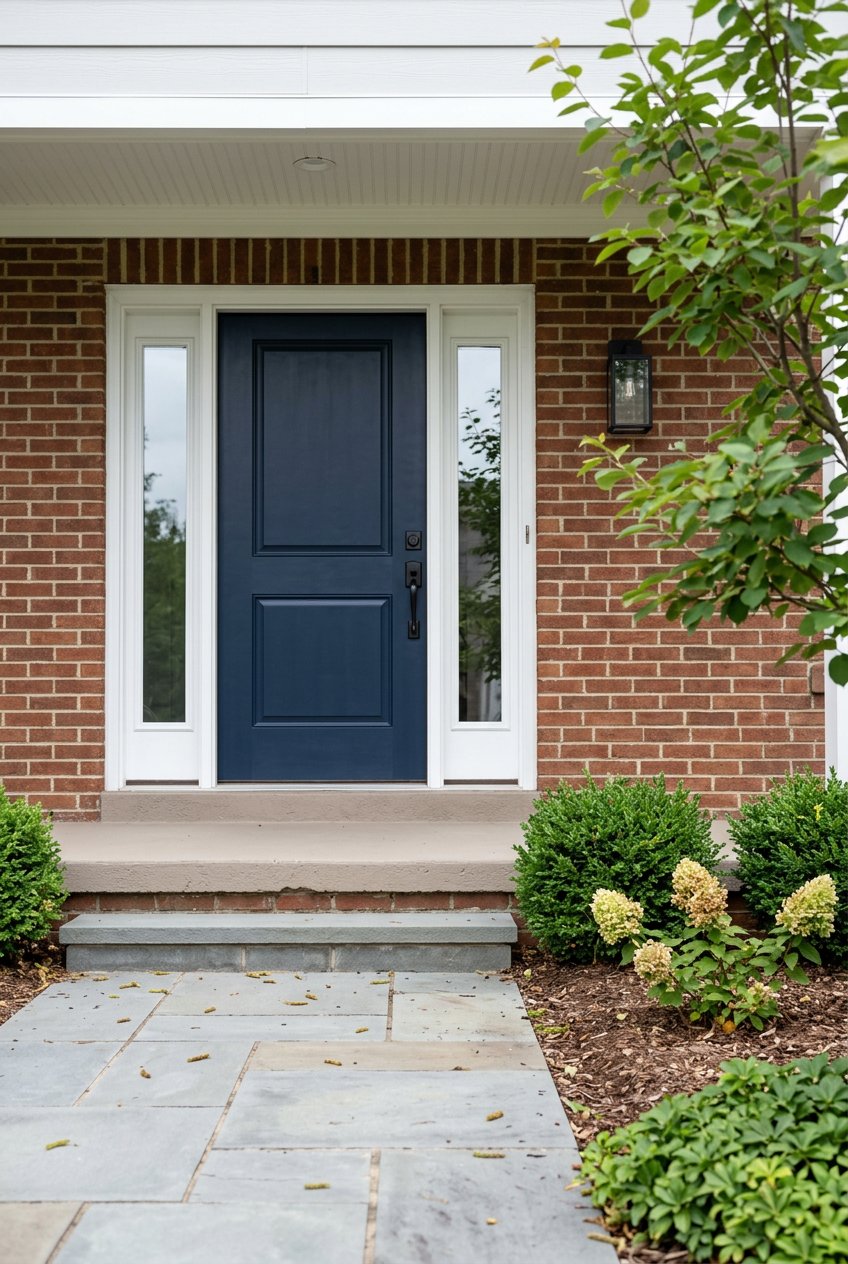
- Boost curb appeal with clean walkways, trimmed plantings, and a crisp entry.
- Book professional listing photos and, if possible, a light stage.
Listing photos, video, and 3D
Today’s buyers decide online which homes to see in person. Professional photography, video, and 3D or virtual tours consistently increase listing views and speed up sales in industry studies. You can point to these data-backed marketing gains here: pro media and 3D tours increase buyer engagement. Pair strong media with flexible showing windows and a smart access plan. The goal is to convert online interest into in-person tours quickly and safely.
Marketing strategy to reach NYC-bound buyers
Carteret draws many commuters who want value within reach of New York City. NJ Transit’s Route 116 has local stops that connect to Port Authority, which is a key benefit to highlight for buyers comparing Middlesex County to city prices. You can preview those stops here: NJ Transit bus route 116 stop list. Family-minded buyers often review district facts too, so provide neutral, factual links such as Carteret Public Schools district details from NCES. If your home is near planned or recent improvements, reference the borough’s site for context on amenities and redevelopment: Borough of Carteret.
Channels your agent should use
A strong marketing plan meets buyers where they are:
- MLS exposure plus automatic syndication to major portals.
- Targeted paid social ads to commuters, move-up buyers, and local renters.
- Email to a buyer and agent database, including investor lists when relevant.
- Broker-open previews to build early agent buzz.
- High-end photography, video, and 3D tours to maximize online engagement.
NAR and industry reports continue to show online media and staging drive more showings. That is why a marketing-first plan pairs strong presentation with wide digital reach.
Showings, offers, and compensation strategy
Because buyers screen online first, listings with standout media often see more and better-qualified showings. Make it easy to tour with clear instructions and quick confirmations. Also discuss buyer-agent compensation strategy with your listing agent. Commission structures are negotiable, and what you offer can influence showing activity in some markets. For background on how commissions are often structured, review this industry overview: average real estate commission basics.
Costs, permits, and municipal steps
Realty Transfer Fee and closing costs
In New Jersey, sellers pay the state’s Realty Transfer Fee at closing. It is a graduated fee based on the sale price. Get the current schedule and forms directly from the state: New Jersey Realty Transfer Fee guidance. Ask your attorney or title company to calculate the exact amount for your deal.
Here is a simple net-proceeds example using a common Carteret sale price band. Replace placeholders with your numbers:
- Example contract price: $525,000
- Minus mortgage payoff: $_____
- Minus New Jersey Realty Transfer Fee: $_____
- Minus title, attorney, recording, and settlement fees: $_____
- Minus municipal certificates and inspections: $_____
- Minus agreed repairs or credits: $_____
- Estimated net to seller: $_____
Taxes and affordability notes
New Jersey’s property taxes are among the highest in the country, and buyers factor them into monthly affordability. Recent reporting shows Carteret’s average residential tax bill around $7,812, which shapes how some buyers compare homes across Middlesex County. You can reference an at-a-glance county list here: updated Middlesex tax overview. Expect to prorate your current year’s taxes at closing based on the settlement date.
Certificates and inspections in Carteret
Before closing, confirm whether your sale requires a Certificate of Habitability, a Certification of Occupancy, or other local forms. Requirements can vary by property type and timing, and the borough updates forms periodically. Start here and contact the Building & Construction office with questions: Carteret building, construction, and land-use forms.
Flood and environmental checks
Parts of Carteret fall within Middlesex County tidal and riverine flood areas tied to Arthur Kill, Raritan Bay, and the Rahway River. If your property is waterfront or low elevation, check the FEMA flood map and whether your lender will require flood insurance. For technical background, see the countywide Flood Insurance Study summary: Middlesex County FEMA flood study reference. If elevations have changed, ask your surveyor whether a Letter of Map Amendment or Revision could help.
Your next steps, 60-day listing plan
Use this simple plan to get market-ready without guesswork:
- Week 1: Request a Carteret-focused CMA. Align on price band, target list date, and minor updates with your agent.
- Week 2: Schedule a pre-listing inspection or contractor walk-through. Order a preliminary title review if advised.
- Week 3: Complete quick repairs and maintenance. Line up cleaners, landscapers, and a handyman for punch-list items.
- Week 4: Light staging and décor edits. Gather receipts, permits, and service records for disclosures.
- Week 5: Professional photos, video, and 3D tour. Draft listing copy that highlights commute options and local amenities.
- Week 6: Go live midweek to capture weekend traffic. Launch targeted social ads and email blasts.
- Week 7: Optimize showings for access and safety. Review feedback and adjust pricing or presentation if traffic lags.
- Week 8: Evaluate offers, terms, and buyer strength. Choose the best net outcome, not just the highest price.
- Weeks 9 to close: Navigate inspections, appraisal, and title work. Keep timelines tight with proactive communication.
Ready to list with a marketing-forward plan tailored to Middlesex County? Partner with a local team that pairs high-impact media, wide digital reach, and responsive coordination. If you want a Carteret-specific pricing strategy and a clear path to market, connect with Joe DeVizio. What’s My Home Worth?
FAQs
When is the best time to list a home in Carteret?
- Spring often brings more buyers, but current mortgage rates, competing inventory, and days on market should guide your exact list date.
How should I price my Carteret house for today’s market?
- Request a fresh CMA, study nearby sold and active comps, consider price bands buyers search in, and adjust for your home’s size, condition, and upgrades.
Do I need a pre-listing inspection in New Jersey?
- It is not required, but many sellers do one to uncover issues early and support clear disclosures under New Jersey’s material-facts rules, which reduce risk.
What seller closing costs should I expect in New Jersey?
- Budget for the state Realty Transfer Fee, attorney and title fees, municipal certificates, recording fees, and any agreed credits; see the state RTF guidance.
Are parts of Carteret in a flood zone and will I need flood insurance?
- Some areas are in FEMA-designated flood zones; check the FEMA map for your address and ask your lender or insurance pro if coverage will be required, using this county flood study reference.
How do buyer-agent commissions work for my Carteret sale?
- Commissions are negotiable; discuss whether offering buyer-agent compensation could boost showing activity in your segment, and review basics here: commission overview.
