If you are looking for multifamily opportunities in Middlesex County, Perth Amboy deserves a closer look. This is a city where rental housing plays a major role, and that creates a very different investment conversation than you might have in a more owner-occupied market. When you understand where multifamily demand is strongest, what building types are most common, and which local rules can affect your numbers, you can make smarter decisions with more confidence. Let’s dive in.
Why Perth Amboy Stands Out
Perth Amboy is a compact, high-density city with 55,855 residents across 4.7 square miles. It has about 19,615 housing units, and roughly 65% of them are renter occupied. That matters because it shows rental demand is not a niche segment here. It is a core part of the local housing market.
The city also has a 63% multi-unit share of housing structures. In simple terms, multifamily housing is already built into the fabric of Perth Amboy. For you as a buyer or small investor, that can mean a market where apartment houses, smaller multifamily properties, and mixed-use buildings are more relevant than in many nearby suburban areas.
Perth Amboy sits within the New York-Newark-Jersey City metro area, and the average travel time to work is 23.5 minutes. That commuter connection helps explain why the city continues to function as an active rental market within central New Jersey. The city’s broad resident base also adds to the depth of housing demand.
Where Multifamily Opportunities Are Strongest
Waterfront areas show major momentum
Perth Amboy’s redevelopment framework gives you one of the clearest clues about where multifamily potential is concentrated. The city identifies the Waterfront as a place that is especially well suited for predominantly mixed-use and residential projects. That makes waterfront and nearby areas important to watch if you want to track where rental growth is headed.
A major example is the Sea Gate waterfront redevelopment plan approved by the Planning Board on January 13, 2026. The project calls for 602 market-rate rental units across five buildings on 15.75 acres, along with public amenities like an esplanade, playground, plazas, and a dog park. While this is not a small-investor acquisition, it is a strong signal that large-scale rental housing remains part of the city’s growth story.
Downtown supports mixed-use potential
Downtown Perth Amboy also stands out for smaller-scale multifamily and mixed-use opportunities. The city’s downtown revitalization plan includes upgrades to sidewalks, roadways, crosswalks, lighting, signage, benches, parking, and traffic flow. Those public improvements can matter a lot for storefront-over-apartment buildings, where pedestrian activity, access, and visibility often support property value.
For buyers looking at mixed-use assets, this is an important point. A well-located property in a downtown setting may benefit from both residential demand and business-facing street improvements. That does not guarantee performance, but it does strengthen the local case for small mixed-use ownership.
Industrial corridors fit a different strategy
Not every part of Perth Amboy points to the same investment thesis. The city’s Northern Industrial area is geared primarily toward industrial, warehousing, and distribution uses. The Gateway area is described as a retail, commercial, and light industrial expansion district.
That means your strongest multifamily focus will usually be in downtown-adjacent and waterfront-oriented locations, not in the more industrial corridors. Location selection matters here because the city’s own planning vision is not uniform across every sub-area.
What Building Types You Are Most Likely to Find
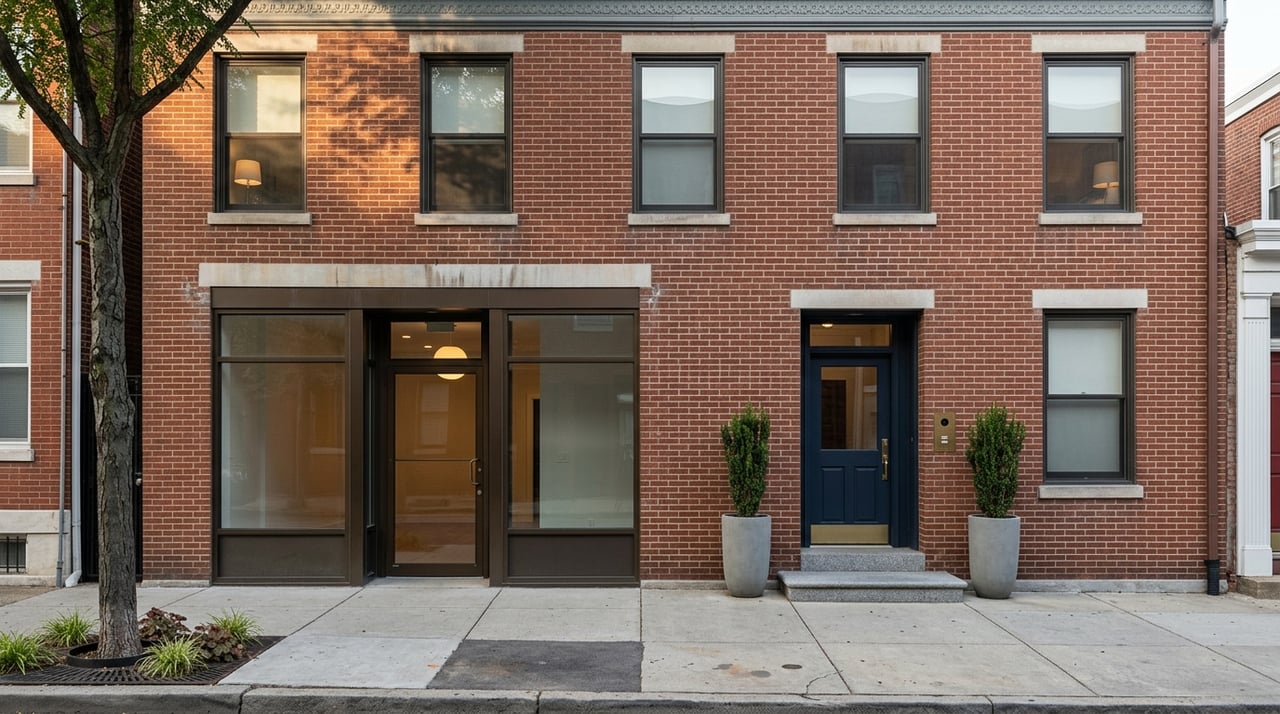
Because Perth Amboy already has a high share of multi-unit housing, the most relevant inventory for many buyers is likely to include compact apartment houses, small multifamily buildings, and mixed-use properties with commercial space below and apartments above. This is an informed takeaway based on the city’s housing mix and planning direction. It is not a parcel-by-parcel inventory.
That distinction is useful when you begin your search. Instead of expecting large institutional-style apartment communities, you may want to focus on practical, smaller-scale assets that fit the city’s existing streetscape and redevelopment pattern. This can be especially appealing if you prefer manageable building sizes and neighborhood-based value.
The city’s housing planning documents also point to an older housing stock in need of continued rehabilitation and code compliance. Perth Amboy has a 335-unit rehabilitation obligation, and the city specifically references improved housing-quality enforcement, improved rent control, and a mandatory set-aside ordinance as part of its strategy. For you, that means condition, deferred maintenance, and compliance should be part of your early review.
Rent Control Should Be Early Due Diligence
In Perth Amboy, rent regulation is not something to review at the end of the process. It should be one of the first questions you ask. The city’s Rent Leveling Board oversees Chapter 353, hears tenant complaints and landlord applications, and enforces local rent control rules.
The current cap is 3% for units with water included and 2.5% for units without water included. The city also states that periodic tenants with a lease under one year cannot receive a rent increase until the lease exceeds 12 months. If you are underwriting future income, those rules can directly affect your assumptions.
Building type and occupancy setup also matter. Chapter 353 applies to dwellings including rooming houses and resident hotels, but it excludes motels, hotels, and housing units of three units or fewer when the owner lives in the building. In practice, that means a small owner-occupied property may be treated differently from a larger non-owner-occupied rental building.
The ordinance also requires landlord identity registration for single- and two-unit dwellings that are not owner occupied, with a $10 fee. That may sound minor, but details like this often tell you how closely a municipality tracks rental operations. Before you buy, make sure you understand how the local rules apply to the exact property you are considering.
Flood Risk Matters Near the Waterfront
Waterfront visibility can be attractive, but you also need to balance that with site risk. Perth Amboy is bounded by waterways on three sides and has 6.4 miles of shoreline. According to the New Jersey Department of Environmental Protection coastal vulnerability assessment, most of the city is in FEMA Zone X, while much of the coastal area is Zone AE and the immediate waterfront is Zone VE.
For you, that means flood exposure can vary sharply by location. A property near the waterfront may require closer review of elevation, flood insurance, and resiliency issues before closing. These are not details to gloss over, especially if the asset’s appeal is tied to its waterfront setting.
This is one reason local due diligence is so important in Perth Amboy. Two multifamily properties can look similar on paper but carry very different risk profiles based on block, elevation, and site history.
Redevelopment Sites Need Extra Property Review
Some waterfront and redevelopment parcels are tied to former industrial or brownfield areas. The Sea Gate plan itself includes remediation of a contaminated brownfield site, which shows how redevelopment and environmental review can intersect in this market. If you are evaluating property in these growth areas, you should pay close attention to remediation status.
Parking, access, and utility capacity also deserve a close look. In areas where land use is shifting from older industrial patterns toward mixed-use and residential investment, these basics can influence both current usability and future value. A strong location still needs practical functionality.
A Smart Perth Amboy Investment Lens
If you want to think about Perth Amboy clearly, it helps to divide the opportunity into two broad lanes. The first is established downtown and waterfront-adjacent blocks, where smaller multifamily and mixed-use buildings may align with the city’s current housing pattern. The second is larger redevelopment activity, which may not be accessible to most small buyers but can still signal where future rental demand and public attention are moving.
That combination is what makes Perth Amboy interesting. You are not just looking at a city with a large renter base today. You are looking at a city where public planning, downtown improvements, and waterfront redevelopment all reinforce the importance of rental and mixed-use housing.
For many buyers, the opportunity is not about chasing scale. It is about buying the right asset in the right pocket of the city, with realistic expectations about regulation, condition, and site risk.
If you are exploring multifamily or mixed-use property in Perth Amboy, working with a local team can help you narrow the field faster and ask better questions before you commit. For guidance grounded in Middlesex County market knowledge, connect with Joe DeVizio.
FAQs
What makes Perth Amboy attractive for multifamily buyers?
- Perth Amboy has a renter-heavy housing market, with roughly 65% renter occupancy and a 63% multi-unit share of housing structures, which supports ongoing rental demand.
Which Perth Amboy areas are best for multifamily or mixed-use property?
- The city’s redevelopment framework points most strongly to waterfront and downtown-adjacent areas for mixed-use and residential opportunities, while industrial corridors fit a different use pattern.
What types of multifamily buildings are common in Perth Amboy?
- Buyers are most likely to focus on compact apartment houses, small multifamily properties, and storefront-over-apartment mixed-use buildings based on the city’s housing mix and planning direction.
How does rent control affect Perth Amboy multifamily property?
- Perth Amboy’s Rent Leveling Board oversees local rent control, including current caps of 3% for units with water included and 2.5% for units without water included, so income projections should reflect those rules.
Why is flood risk important for Perth Amboy waterfront property?
- Coastal areas in Perth Amboy include FEMA Zone AE and Zone VE locations, so waterfront buyers should carefully review elevation, insurance needs, and resiliency factors before closing.
What should buyers review on older Perth Amboy multifamily buildings?
- Buyers should pay close attention to building condition, rehabilitation needs, housing-quality compliance, and any site-specific issues tied to older structures or redevelopment areas.
